Saturday, August 4, 2018

Related image


Wake up early and go out of the house, of course we will feel the cool morning air. The air is still fresh and has not been contaminated by motor vehicle fumes. At this time it is suitable for the cheapest sports. Especially if not jogging in the morning. Simply looking for a conducive spot and preparation of clothing supplies is enough to carry out this activity.

Running this morning should be one of our routines. The various benefits of running a morning for health are no longer a secret, the following are the full benefits of morning running:


  1. Long Live
Although running a morning does not mean the effect is only in the short term. The fact is that by running in the morning too, we will have long-term benefits. Recent research has found that by running 56 Km a week, it will reduce the risk of death by 54%. Wow, what are you waiting for, let's start getting used to jogging. Even though death is a necessity for humans, our efforts during our life also determine the age of our death.


      2. Heart Health

Other studies say that by running as far as 16 Km a week will reduce the risk of blood pressure disorders by 39%. In addition, cholesterol deposition disorders can be reduced by 34%. Morning running helps reduce the risk caused by blood vessel problems due to cholesterol deposits such as heart disease. Besides reducing the risk of heart disease, control of the amount of cholesterol in the body also reduces the risk of obesity.


     3. Prevent impotence

Especially for men, running in the morning helps with the function of the reproductive organs. Departing from research that found that 3000 calories per week burned from morning running activities can make erectile dysfunction can be overcome up to 83% effectiveness.

Thus, one of the reproductive problems that most men don't want can be overcome by getting used to running in the morning.


      4. Strengthen bones

The University of Missouri conducted a study comparing bone density of runners and cyclists. As a result 63% of cyclists have less bone density than runners who only 19%. This means that even though the benefits of cycling are good for bones, runners still have better bone density than cyclists.

This figure shows that runners who used to run, it turned out to have more solid bone cells. Therefore, why don't we imitate their habits? By running our bones get denser and we become more resilient individuals.


         5. Improve sleep quality

Research conducted by involving insomniacs who were trained to routinely run morning successfully made them overcome their sleep time 17 minutes faster. In addition, they claimed to feel better sleep than usual after a routine run in the morning. The benefits of jogging can be a reference for you insomnia sufferers to improve your sleep time to get back to normal.


     6. Burn Calories

Many people do a morning run because of reasons to burn calories in their body. It is true, that jogging can reduce weight up to 2 times more effective than that obtained from the benefits of walking. Morning running activity will burn calories up to 2 times more effective.

Therefore, for those of you who want to reduce your weight and are currently undergoing a diet program, it is necessary for you to keep up with the routine of jogging.


      7. Rarely Sick

The study, conducted by experts in Sweden, found that runners who routinely run will avoid colds by up to 18% compared to those who rarely run in the morning. Moreover, the transition season in Indonesia, is very vulnerable to make our body susceptible to disease. We should take part in getting used to running in the morning so that our physical health is maintained.


      8. Maintain body stamina

Running runs out energy, but by running we will also produce energy. New energy that is created during the body's metabolic process makes it balanced. But running too long is not good and actually makes our body spend too much energy. This morning's running routine should be done casually for about 30 to 60 minutes every day. As long as it's done regularly, the results will be able to get us.


How long should you run in the morning?

To really get the most out of the benefits of running this morning, it is necessary to take this routine seriously. Many were initially eager to do this routine, but the spirit did not last long. The time needed must also be adjusted properly. Don't run with very little duration, most people running in 10 to 15 minutes have stopped. But running too long is also not good, and it will make our body exhausted. In order for the combustion process to be effective, do this when you run morning:

  • Get used to running for 45 minutes
  • Within a week try 3-4 times
  • Widely relaxed and joyfully
  • Look for other partners to help familiarize this routine
  • Do the routine well until it becomes a habit

If you want to be more comfortable you can run while listening to music via an mp3 player. In addition to a healthy body, our minds will feel even happier.


Saturday, July 7, 2018


Image result for exercise

There are many people who have been told that "Do exercise moderately" on medical examinations. But how much do you move your body, will it become "moderate exercise"? Of course, the standards will differ depending on the person. Nonetheless, to those who said, "Doctor can not begin exercising without specific criteria" this time, Dr. Aoyuki Kitayuki of the medical doctor investigated the relationship between physical activity and illness for more than 15 years "Nakanojo research will introduce exercise suitable for health.


  • You can not do exercise too much?
Related image

Anyway, if you move your body actively or run, you feel tired, you will feel like exercising somehow. But actually did you know that "fatigue" and "health" by this exercise are not proportional?

If you exercise too hard, some people become anemic, blood vessels hurt, knees and hips damaged, and the exercise does not last long, resulting in unhealthy results.

Many people think that "exercise is better for health, the more you do!", But in reality this is not the case. Although I exercised hard, when I get injured or sick with that exercise, it makes no sense. In order not to be such a thing, I will introduce moderate exercise for health.


  • If you decide "time to exercise", you will lack exercise!

Image result for exercise time

I think that some people have continued exercise by deciding "walking the dog every day", "walking every morning" "go to the gym on weekends." It is very good to make exercise everyday.

But how do you spend your time not exercising? If you decide "time to exercise" you feel relieved that "I am exercising", and it tends to spend the rest of my time doing exercise.

Even if you decide how much time to exercise, if you spend too much time do not exercise, you may lack exercise as a whole.

In order not to do so, let's consider the exercise for a total of 24 hours a day, 365 days a day.


  • With walking, moderate exercise
Image result for With walking, moderate exercise

It is not good to do too much exercise and you can not decide exercise time. So, what kind of exercise should you do for how long?

The answer is in "Nakanojo Research". "Nakanojo research" is a study of the relationship between physical activity and illness for over 15 years for 5,000 people living in Nakanojo-machi, Gunma prefecture, all over 65 years old.

From the results of the research, I found that "moderate exercise" is very good for my body. Effectiveness was observed not only for maintaining health but also for prevention of disease. And, as that "moderate exercise", the most recommended one is walking.

Then, I will introduce some points on what kind of walking, a little more concretely.


  • "8,000 steps per day, 20 minutes fast walking" This is a guide!
Image result for With walking, moderate exercise

I have learned about the point of walking in "Nakanojo research" as mentioned above. It is 24-hour "step count" and "fast walk time". The balance between the total number of walks per day and the time you walked fast among them was found to be important.

Based on the research results, it is said that it is good to have 8,000 steps for 24 hours a day. It is a feature that thinks about momentum in total for a day. I think not including the number of steps walking or walking time but including the number of steps of daily life such as housework, commuting, shopping. Also, it is important that you have a fast walking time of about 20 minutes in this 8,000 steps. It is a moderate exercise to balance these two items.

So, how fast is walking? That's the speed of "I can manage some conversation". It seems not to be such a difficult walking speed.


  • Let's use the activity meter!
Image result for people watch activity meter

From "Nakanojo studies" I understood that "8,000 steps per day, 20 minutes walking faster" is a reasonable exercise for health. But how can we measure this number?

First of all, we recommend that you always learn activity meter on a daily basis. By wearing an activity meter, you will acquire the habit of considering the exercise amount for a total day.

There is a function to measure the number of steps even on smartphones and mobile phones. However, there are many people who do not carry around while staying in a bag or leave them at home. It is surprisingly difficult to put smartphones and mobile phones in the day. With this, it is not possible to accurately grasp the momentum in the total day.

Recently, activity meters have been released from various manufacturers, and there are many things that can measure fast walking. In addition to walking time, you can also acquire activity meters during housework and work and you can check if you are doing moderate exercise throughout the day.

Let's begin by checking yourself with the activity meter. I try to measure how far I am walking in the day and how much momentum I am. And, please compare "8,000 steps / day walk 20 minutes a day". You can tell how long you will reach this goal and whether you are already reachable. Let's record it everyday. If there are missing steps, you should try getting off at the station one before the company on your way home, and trying to walk a little more than usual. Also, if you use the staircase, not the escalator, you can earn the activity amount and the number of steps.

If there is a big opening like "8,000 steps / day fast walking 20 minutes", you do not have to be impatient if you are suddenly difficult to increase to 8,000 steps. Let's increase it little by little. It is meaningless if you make an impossibility, become injured or sick.

People who are suffering from lack of exercise, those who are thinking to start exercise from now on, aim for "8,000 steps / day fast walking 20 minutes" and start a healthy body creation! Then, let's check your own momentum by wearing an activity meter. It is important to do appropriate exercise to maintain health and prevent diseases.


Image result for makanan sehat


In order for you to be more healthy, we introduce 10 types of food from the Australian Women's Health version.


1. Egg


Egg yolk contains many essential nutrients that are hard to consume elsewhere. Choline, which is said to reduce the incidence of breast cancer, cataracts that can cause blindness, and antioxidants effective for preventing macular degeneration. The Australian Heart Disease Support Fund evaluates eggs as essential for healthy diet planning.


2. White Super Food
Image result for white superfood


White vegetables, pulses, nuts, unlike many antioxidants that fight disease, are not vivid colors. But even these super foods have an amazing effect to prevent disease. Despite its pale appearance, turnip, cauliflower, onions, and garlic contain plenty of nutrition.


3. Yogurt

Only one cup of low-fat yoghurt will take 70% of the required daily amount of riboflavin. This is more than half the amount of riboflavin contained in boiled spinach for 1 cup. Although riboflavin (a kind of vitamin B) is not an antioxidant substance, it is indispensable for promoting the antioxidant activity in the body. Without riboflavin, glutathione, an antioxidant inhabiting cells, will not be able to destroy free radicals (free radicals) leading to heart disease, cancer and other chronic diseases.


4. Apple
Image result for apple


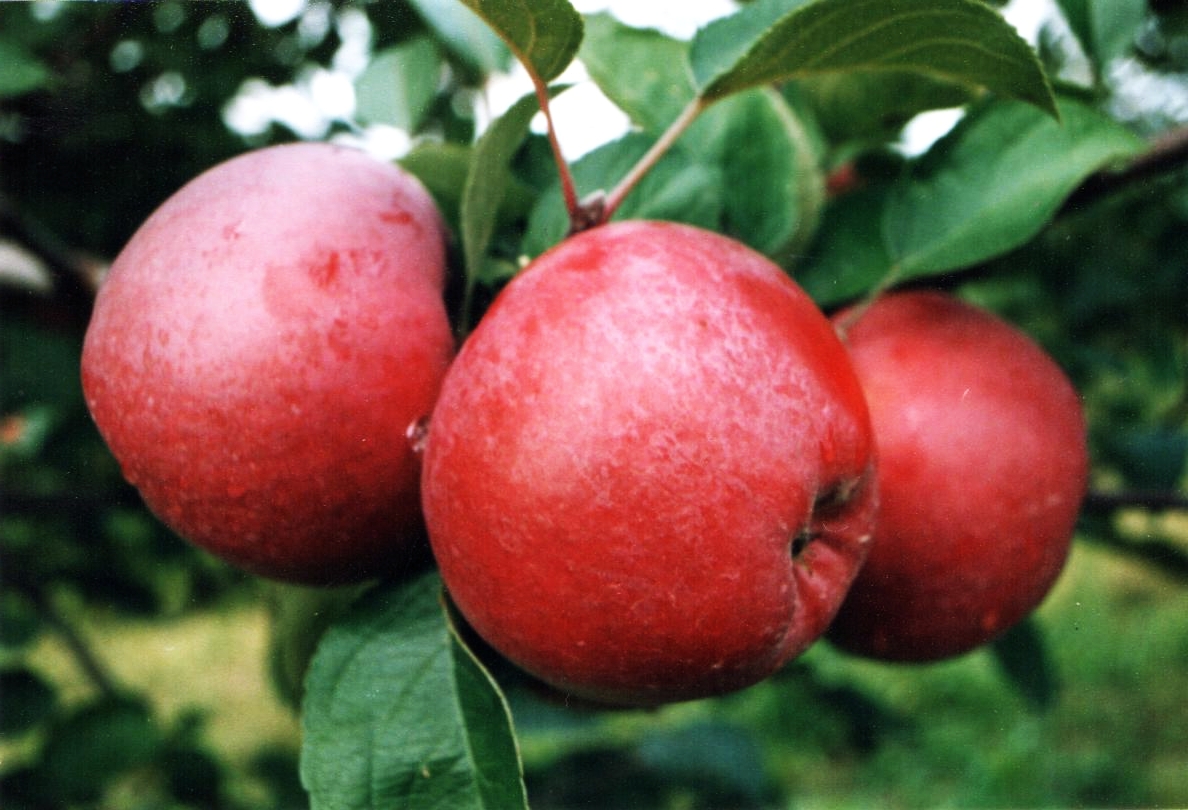
If you eat one apple a day, you may be able to really live a doctorless life. Do not forget to eat the skin, though. Wendy Davis, head of the Public Relations and Consumer Health Department at the American Association of Apples, says, "One-third of dietary fiber and most antioxidants are contained in the skin." The Cornell University research team, who experimented with the four kinds of apple, also discovered that it was the skin that inhibited the growth of cancer cells than any other part.


5. Avocado
Related image


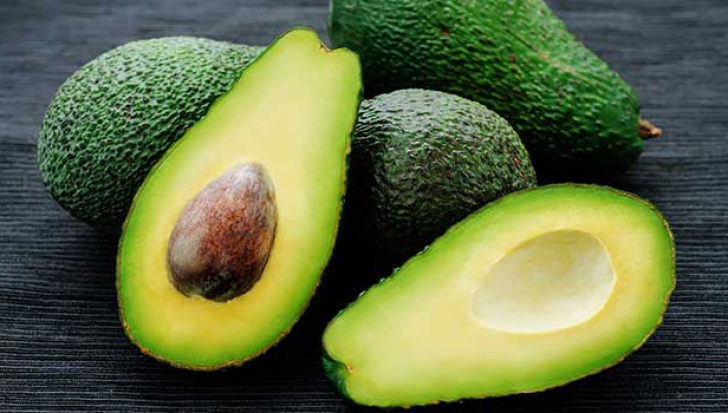
Oleic acid, a monounsaturated fatty acid contained in avocado, is effective for lowering cholesterol level. One study compares the effect of two low-fat diet methods. Everything was identical except that avocado was ingested on one side. Both methods reduced dangerous LDL (bad) cholesterol levels, but healthy HDL (good) cholesterol levels also increased with avocado-containing diet methods.


6. Walnut
Image result for Walnut


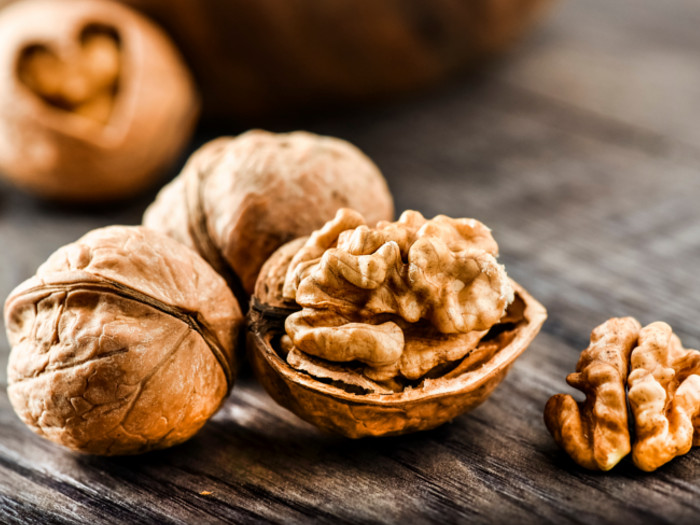
Like seafood and flaxseed, walnuts also contain omega-3 fat to protect your heart and maintain your brain's health. Omega 3 fat is also an important element for making the lubricating layer necessary for keeping fresh and supple skin.


7. Blueberry
Image result for blueberry


Blueberries with plenty of antioxidant substances, vitamin C, manganese and dietary fiber promote brain health, increase learning ability and memory. Let's look for fresh blueberries with a white silver powder called "Bloom" on the surface. You can double the intake of anti-aging antioxidant substance in a day and a half cup.


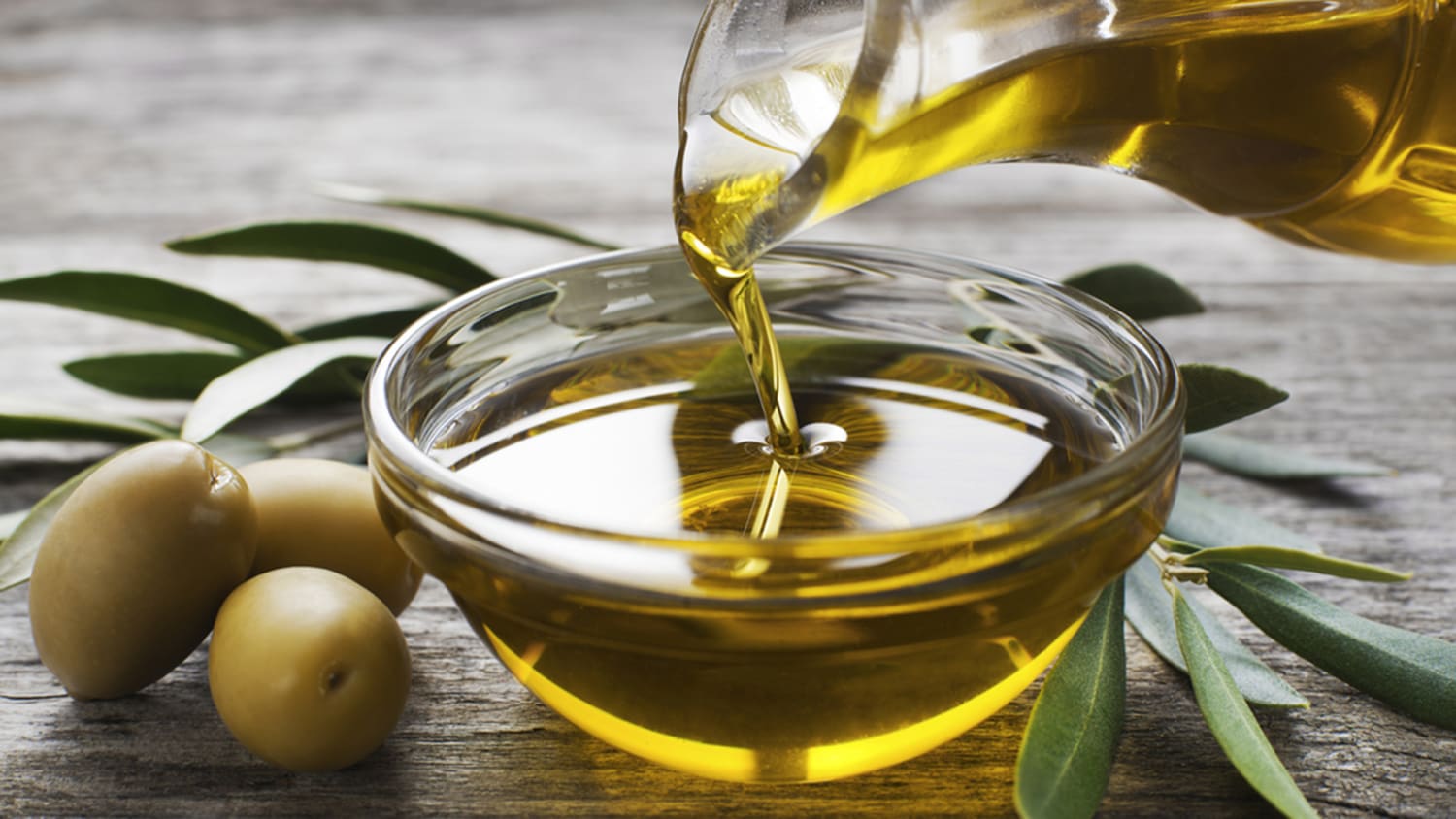
8. Olive oil
Image result for olive oil


Olive oil that is packed tightly with good monounsaturated fatty acids (MUFAs) in the heart. Monounsaturated fatty acids lower malignant LDL cholesterol levels and increase benign HDL cholesterol levels. In addition, olive oil is also rich in antioxidants that reduce the risk of chronic diseases such as cancer and Alzheimer's. Extra virgin oil is the most palatable and contains many antioxidants.


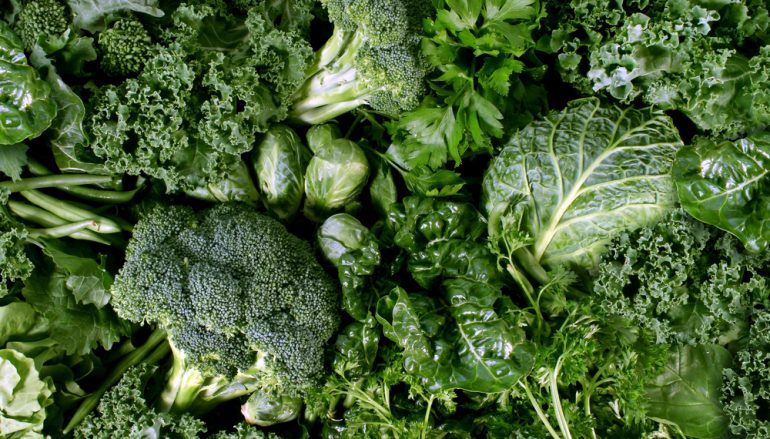
9. Leafy vegetables
Image result for Leafy vegetables


Experts say that the deficiency of vitamin B6 is related to anxiety, stress, depression. Also, as older age, women need more vitamin B6. "When vitamin B6 reaches the brain, the synthesis of neurotransmitters such as dopamine is promoted, the mind is calm and feeling happy," said Dr. Hanjo Hermann, a plant biologist at Washington State University in the United States of America. "When vitamin B6 is deficient, there is the possibility that the brain can prevent sufficient dopamine production." According to the Australian health nutrition agency Nutrition Australia, the high supply of B6 is fish, beef, chicken, leafy vegetables, avocado, and potatoes.


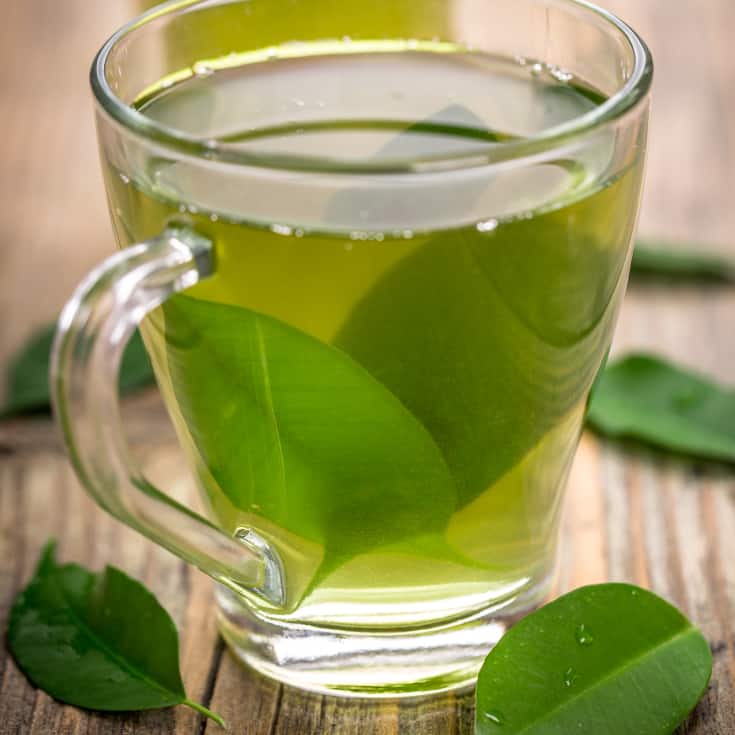
Image result for Green Tea10. Green Tea


Green tea contains plenty of catechin, a powerful antioxidant that protects you from damage caused by free radicals. If you add flavor with mint leaves etc, you can drink all day and you will be a refreshing drink. The catechin content of Sencha seems to be the highest among Japanese green tea.


                                                                                                      https://www.womenshealth.com.au/gallery/food/the-10-foods-you-should-every-day


Powered by Blogger.

Popular Posts